Drainage pipes gradually collect materials that restrict wastewater flow through homes, commercial properties, and industrial facilities. Grease, sediment, sand, sewage residue, and other debris can accumulate along internal pipe surfaces, eventually creating slow drainage, unpleasant odors, recurring clogs, or complete obstructions that require professional attention.
Rather than addressing only the immediate point of a blockage, high-pressure cleaning targets deposits throughout the affected section of the drainage network. Professionally jetting plumbing lines uses concentrated water pressure to break apart accumulated material, flush loosened debris forward, and help restore the internal capacity needed for efficient wastewater movement.
How High-Pressure Water Jetting Works Inside Drainage Systems
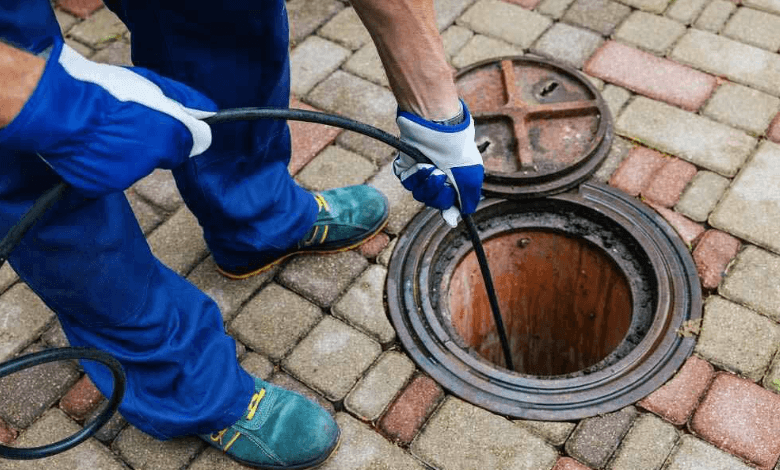
High-pressure jetting uses specialized equipment to direct powerful streams of water through a hose and precision nozzle inside a drainage or sewer line. The water force acts against accumulated grease, hardened sediment, debris, and other obstructions that interfere with normal flow through the network.
Common materials addressed through professional water jetting include:


- Grease accumulated inside kitchen drainage lines
- Sediment and sand deposited within pipes
- Sewage residue restricting internal capacity
- Debris creating partial or substantial obstructions
- Tree roots entering suitable drainage networks
Signs That a Drainage Network May Require Professional Cleaning
Slow-moving wastewater is often one of the earliest indications that deposits are reducing the available space inside a pipe. While an isolated drainage issue may have a localized cause, recurring problems across a property can indicate that a larger section of the network requires professional assessment.
Unpleasant odors and gurgling sounds from toilets or sinks may also indicate developing drainage problems. Addressing these warning signs before wastewater begins backing up can reduce disruption for occupants while helping property managers avoid more serious sanitation and operational concerns.
Repeated Slow Drainage
Water that consistently takes longer than expected to disappear through sinks, floor drains, or other outlets may indicate internal accumulation. Professional assessment can help determine where the restriction is located and whether pressurized cleaning is suitable.
Recurring Blockages
A drain that becomes clogged repeatedly may contain deposits that have not been completely removed during previous interventions. Water jetting can target accumulated material throughout the affected section rather than focusing solely on a single obstruction point.
Persistent Drainage Odors
Unpleasant smells emerging from drainage outlets can sometimes be associated with waste or residue collecting within the network. Cleaning internal pipe surfaces can remove accumulated material that may contribute to recurring odor concerns.
Unusual Gurgling Sounds
Gurgling from toilets, sinks, or connected drainage fixtures can indicate restricted movement within the system. When combined with slow flow or repeated clogs, these sounds may signal the need for a detailed professional inspection.
Why Dubai Properties Face Distinct Drainage Challenges
Dubai’s environmental and operational conditions can create particular maintenance requirements for drainage infrastructure. Sand and sediment may contribute to pipe congestion, while kitchens, commercial facilities, industrial sites, and heavily occupied properties can generate substantial quantities of waste that gradually collect within drainage networks.
Routine maintenance becomes particularly relevant where systems experience intensive daily use. Instead of waiting until a serious obstruction causes an overflow or operational interruption, scheduled cleaning can help maintain capacity and identify recurring trouble areas that require closer attention.
Factors that can contribute to drainage restrictions include:
- Sand entering external or stormwater drainage systems
- Grease collecting within kitchen lines and grease traps
- Sediment settling in sections with reduced flow
- Waste accumulation in frequently used networks
- Root intrusion affecting underground pipe sections
- Construction-related debris entering drainage infrastructure
Where High-Pressure Jetting Can Be Used
Professional water jetting is suitable for multiple areas within residential, commercial, and industrial drainage networks. Applications can include drains, stormwater lines, gully traps, gutter lines, street drains, sewage tanks, sump pits, toilets, sinks, bathrooms, manholes, and grease traps.
The appropriate equipment depends on the size and configuration of the system being serviced. Large drainage networks and underground infrastructure can require greater hose reach and higher-capacity machinery, while smaller domestic lines need a controlled approach suited to their dimensions and condition.
Residential Drainage Networks
Villas and residential buildings can experience blockages caused by household waste, grease, sediment, or other accumulated material. Professional cleaning helps address restrictions affecting kitchens, bathrooms, toilets, manholes, and connected drainage sections.
Commercial Properties
Busy buildings often place continuous demand on wastewater infrastructure throughout operating hours. Planned cleaning can help facility managers maintain drainage performance while reducing the possibility of sudden problems affecting occupants, customers, or daily activities.
The Difference Between Reactive and Preventive Drain Cleaning
Reactive cleaning takes place after a drainage problem has already become noticeable. Slow wastewater movement, odors, recurring clogs, or backups may prompt an urgent intervention designed to locate and remove the obstruction before the situation causes greater disruption.
Preventive cleaning may be particularly useful for:
- Commercial kitchens with frequent grease accumulation
- Residential compounds with shared drainage networks
- Industrial facilities handling demanding wastewater loads
- Facility managers responsible for multiple buildings
- Stormwater infrastructure exposed to sand and sediment
Why Professional Equipment and Technique Matter
Water pressure needs to be applied with precision according to the characteristics of the drainage system. Professional jetting equipment uses specialized hoses and nozzles to direct water through affected lines, allowing trained technicians to tackle different types of buildup without relying on harsh chemical cleaning methods.
Selecting the Appropriate Nozzle and Pressure
Different obstructions require suitable equipment configurations and controlled pressure settings. Trained operators assess the situation and select an approach designed to remove the identified buildup while considering the characteristics of the existing drainage infrastructure.
Restoring Flow Across Larger Networks
Large-diameter sewer lines require equipment capable of reaching deeper sections and handling substantial deposits. High-capacity machinery can support work across complex networks where conventional drain-cleaning approaches may not provide sufficient reach or cleaning capability.
Final Thoughts
Could a developing blockage be addressed before it turns into a disruptive drainage emergency? Acting when slow flow, recurring clogs, unusual sounds, or persistent odors first appear can help property owners and facility managers protect wastewater infrastructure while maintaining cleaner, functional drainage networks.
For properties requiring high-pressure water jet sewer cleaning in Dubai, JB ALLO SEWAGE provides professional jetting solutions for residential, commercial, and industrial drainage systems across the UAE. The company uses high-capacity jetting equipment for applications ranging from domestic drains to large sewer networks, alongside preventive maintenance and emergency intervention options designed to address buildup, debris, grease, sediment, and challenging obstructions.