Theme parks compete on one major promise: memorable experiences. Guests may forget small details, but they remember the feeling of flying, falling, racing, escaping, or entering a world that feels larger than real life.
This is why 5D cinema has become a valuable attraction format for theme parks and location-based entertainment venues.
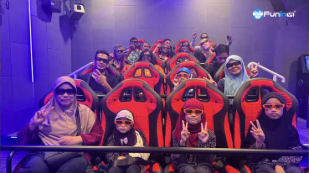
Instead of relying only on a screen, 5D cinema combines immersive visuals, motion seating, environmental effects, sound design, and synchronized show control. It allows operators to create rides that feel dynamic and emotional, even within an indoor theater environment.
Why 5D Cinema Works Well in Theme Parks
A successful theme park attraction needs to create excitement while managing space, safety, capacity, and maintenance. Large roller coasters can deliver high thrills, but they require significant space and infrastructure.


5D cinema offers a different approach.
It can deliver the sensation of motion, speed, height, weather, and impact through controlled theater technology. Guests may experience flying over landscapes, diving underwater, racing through a city, or escaping a fantasy world while seated in a motion-based system.
This makes 5D cinema useful for parks that want a strong attraction without relying only on outdoor ride structures.
It is also flexible. By changing the media content, operators can refresh the experience, introduce seasonal films, or adapt the theater for different audiences.
The Experience Design Behind 5D Cinema
A 5D cinema attraction is not just a film with moving seats.
It is a coordinated show system. Every movement, sound cue, lighting change, wind burst, water spray, and scent effect must be timed with the story.
When guests see a vehicle accelerate, the seat may tilt backward. When the scene moves through a storm, wind and mist can activate. When the story enters a forest, scent effects may support the setting.
This synchronization is what makes the attraction believable.
If the motion is too late or the effect does not match the scene, guests notice. A strong 5D cinema experience depends on accurate timing and smooth integration.
Key Components of a 5D Cinema Attraction
Motion Seating
Motion seating gives guests the physical feeling of action.
Depending on the system, seats may tilt, roll, vibrate, lift, drop, or move across multiple axes. More advanced platforms can simulate complex movement such as pitch, yaw, sway, surge, and heave.
For theme parks, motion quality is important because it affects both excitement and comfort. The movement should feel thrilling, but it should also be controlled and safe for a broad audience.
Immersive Visuals
Visual design sets the world of the attraction.
A 5D cinema may use 3D projection, panoramic screens, dome displays, LED screens, or curved theaters to create a larger field of view. The goal is to reduce the sense of watching a flat screen and increase the feeling of being surrounded by the story.
High-quality visuals are especially important for flying theaters, space adventures, fantasy scenes, and simulation rides.
Environmental Effects
Environmental effects make the experience feel physical.
Wind can simulate speed or altitude. Mist can support ocean, rain, or waterfall scenes. Fog can create mystery or impact. Scent can make a garden, jungle, or city environment feel more vivid. Lighting can emphasize explosions, lightning, or scene transitions.
These effects help make the attraction more memorable, especially for younger guests and family audiences.
Show Control and Synchronization
Behind the scenes, a show control system coordinates the entire experience.
It manages the timing of motion, media, sound, lighting, and effects. This system is essential because the attraction depends on precise coordination.
For operators, reliable show control also supports smoother daily operations and easier maintenance.
5D Cinema Compared With Traditional Rides
A traditional ride often depends on physical track movement. A 5D cinema uses a different method: it creates perceived movement through visual content, motion platforms, and sensory effects.
This gives operators more creative flexibility.
A single theater can take guests into space, across mountains, through a city, or under the ocean without changing the physical structure. Content can be updated more easily than rebuilding a ride track.
This does not mean 5D cinema replaces traditional rides. Instead, it complements them. A balanced theme park may use roller coasters for large outdoor thrills and 5D theaters for story-driven, weather-protected, multi-sensory attractions.
How 5D Cinema Supports Family Entertainment
Family attractions need to appeal to different age groups.
A 5D cinema can be designed with adjustable intensity depending on the content. One film may offer a gentle flying journey suitable for families, while another may deliver a more thrilling adventure for older guests.
This makes the attraction flexible for parks that serve mixed audiences.
It can also be useful during bad weather or extreme heat because the experience is usually indoors. Guests can continue enjoying the park even when outdoor rides are limited.
Operational Benefits for Theme Parks
From an operator’s perspective, 5D cinema offers several practical advantages.
First, it can fit into an indoor space and does not always require the large footprint of a major ride. Second, show content can be rotated or refreshed. Third, the attraction can run multiple cycles per hour depending on theater capacity and show length.
Fourth, the experience can support branded content, seasonal campaigns, educational films, or location-specific storytelling.
For theme parks that want to increase dwell time and offer repeatable attractions, these benefits can be valuable.
Planning a 5D Cinema Installation
Before investing in 5D cinema, operators should evaluate several factors.
Venue size, ceiling height, seating capacity, screen type, queue design, accessibility, safety systems, maintenance support, and content strategy all matter. The attraction should fit both the physical space and the business model.
Content selection is also important. A park focused on families may need bright, adventurous, and easy-to-understand stories. A thrill park may want faster motion and more intense effects. A cultural destination may prefer scenic or educational content.
The best system is one that matches the venue’s audience and long-term operating goals.
Why Technology Partners Matter
A 5D cinema project requires expertise across hardware, software, content, engineering, and attraction design.
Operators need a partner who understands motion platforms, visual systems, environmental effects, show control, maintenance, and content integration. The experience must feel seamless to guests, but the technical system behind it is complex.
A good partner can help align technology with the venue’s capacity goals, audience profile, safety requirements, and brand positioning.
This is especially important when the attraction is expected to operate daily with consistent quality.
Conclusion
5D cinema gives theme parks a powerful way to create attractions that audiences can see, hear, and feel. By combining motion seating, immersive visuals, environmental effects, and precise synchronization, it turns screen-based entertainment into a more physical and memorable experience.
For operators, 5D cinema offers flexibility, indoor reliability, content refresh potential, and strong visitor appeal. When planned carefully, it can become a valuable part of a modern attraction mix.