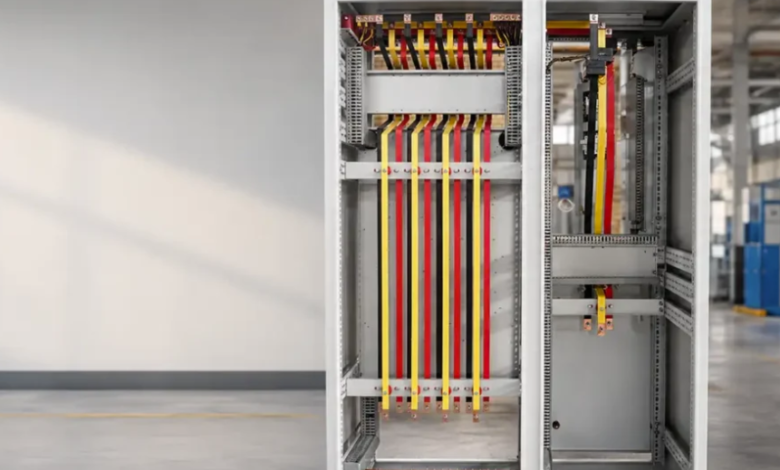
Residential technology continues to evolve as homeowners adopt electrically powered appliances, renewable energy systems, and connected devices.
These changes can affect how electricity is distributed and managed within a home.
Planning electrical infrastructure with reasonable future requirements in mind can help reduce unnecessary renovations and support safer equipment installations.
What Does Future-Proofing an Electrical System Mean?
Future-proofing involves designing or maintaining electrical infrastructure with consideration for likely changes in household demand.


It does not necessarily mean installing the largest available electrical panel.
Instead, effective planning considers realistic equipment needs, service capacity, circuit arrangements, and compatibility with emerging technologies.
Electrical design should balance present requirements with practical future flexibility.
Home Electrification Trends
Households increasingly use electricity for activities previously supported by other energy sources.
Examples include electric heating, cooking, water heating, and transportation.
Electric Cooking Appliances
Induction cooktops and electric ovens may require circuits designed for their specific electrical ratings.
Heat Pump Systems
Heat pumps can support efficient heating and cooling, but their installation requirements vary by equipment.
Electric Water Heating
Electric water heaters introduce electrical demand that must be accounted for in system calculations.
Electric Vehicle Charging
Residential electric vehicle charging is a common consideration in long-term electrical planning.
Homeowners may wish to accommodate charging equipment even if they do not currently own an electric vehicle.
Planning may involve evaluating service capacity, potential cable routes, and appropriate circuit arrangements.
Approved load management solutions may provide alternatives to increasing service capacity.
Renewable Energy and Battery Storage
Solar generation and residential batteries introduce additional electrical design requirements.
Their installation can involve specialized protective devices, disconnecting equipment, and interconnection arrangements.
Not every existing electrical panel can support every proposed configuration without modification.
Professional design ensures the selected equipment works together safely.
Smart Electrical Distribution Technology
Some modern electrical systems incorporate monitoring and load management features.
These technologies can provide information about electricity consumption and, in certain configurations, manage selected loads.
Energy Monitoring
Monitoring equipment helps homeowners understand when and where electricity is being consumed.
Automated Load Management
Approved control systems can coordinate certain electrical loads to help remain within defined capacity limits.
Smart technology should not be viewed as a substitute for proper conductor sizing and electrical protection.
Evaluating Existing Electrical Infrastructure
Before making major changes, homeowners should arrange a professional assessment of current electrical equipment.
The evaluation may include distribution ratings, circuit availability, equipment condition, wiring requirements, and anticipated loads.
Where the existing infrastructure is unsuitable for planned technologies, electrical panel replacement Chicago may be considered as one possible improvement, depending on the actual limitations and applicable regulations.
A comprehensive assessment may also identify less extensive solutions.
Balancing Cost and Long-Term Reliability
Electrical improvements should address genuine safety and capacity requirements.
Unnecessary equipment replacement can increase project costs without providing meaningful benefits.
Conversely, ignoring deteriorated equipment or inadequate electrical capacity can create safety risks and future expenses.
Professional planning helps establish an appropriate scope of work.
Conclusion
Future-ready electrical systems depend on thoughtful design rather than simply increasing equipment size.
Electrical panels must support suitable circuit protection, appropriate capacity, and compatibility with planned technologies.
By evaluating their present infrastructure and anticipated needs, homeowners can make informed decisions that support reliable and safe electricity distribution for years to come.