
Learning to swim as an adult or older child comes with unique challenges that many people underestimate. The fear of deep water, anxiety about losing control, and a general lack of confidence can turn what should be an enjoyable activity into a stressful ordeal. Traditional swimming lessons in open pools often overwhelm beginners who feel exposed and vulnerable in large bodies of water. This is where swim jets enter the picture as an innovative training tool that allows swimmers to practice strokes in place, within a controlled and familiar environment. But can swim jets truly serve as the ideal solution for novice swimmers looking to build skills and confidence? This article explores that question by examining what swim jets are, how they benefit leisure swimming beginners, the safety features they offer, how to choose the right system, and practical steps for effective use. Whether you’re seeking beginner-friendly equipment or simply a more relaxing way to learn, understanding swim jets could transform your approach to the water.
What Are Swim Jets? Demystifying the Technology
Swim jets are specialized devices installed in swimming pools that generate a continuous, adjustable current of water, allowing swimmers to stroke in place without reaching the opposite wall. Think of them as a treadmill for swimming—you move through the motions while staying in one spot, making them particularly appealing for smaller pools or controlled training environments. These systems come in several forms: retrofit units that mount onto existing pool walls, fully integrated systems built into new pool construction, and portable options that can be positioned as needed. Each type relies on the same fundamental principle of pushing water toward the swimmer at a consistent rate, creating resistance that mimics open-water conditions without the unpredictability.
The Mechanics Behind Swim Jet Systems
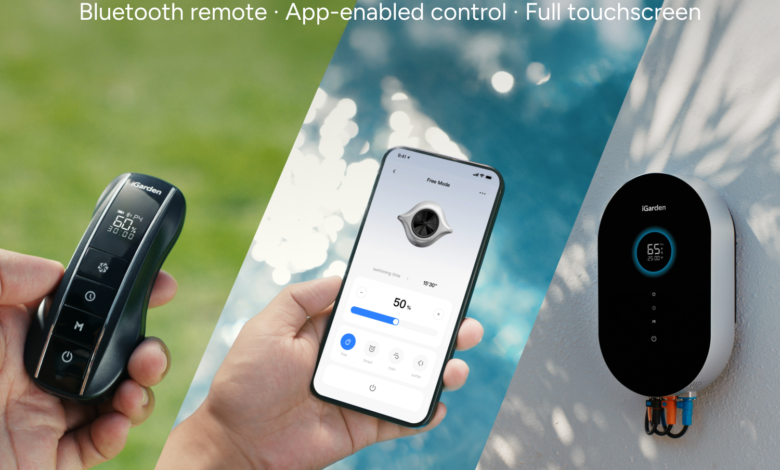
At their core, swim jet systems operate through powerful pumps that draw water in and propel it outward through strategically positioned nozzles. The flow rate and width of the current can typically be adjusted using variable-speed controls, ranging from a gentle stream suitable for floating practice to a vigorous current that challenges experienced swimmers. Most systems offer multiple speed settings, sometimes controlled digitally, allowing users to dial in precisely the resistance level they need. For beginners focused on leisure swimming, the ability to set a slow, wide current means they can practice basic strokes like freestyle or breaststroke without fighting against an overwhelming force, replicating calm pool conditions while building muscle memory and endurance gradually.
See also: How Technology and Local Culture Are Shaping Travel Experiences in Hong Kong

Benefits of Swim Jets for Leisure Swimming Beginners
The most significant advantage swim jets offer beginners is the elimination of environmental unpredictability. In a traditional pool, novice swimmers must contend with other lane users, varying depths, and the psychological pressure of swimming toward a distant wall. Swim jets remove these variables entirely, creating a personal training zone where the only thing a beginner needs to focus on is their technique. This controlled setting dramatically reduces the anxiety that prevents many adults from ever progressing past the doggy paddle stage.
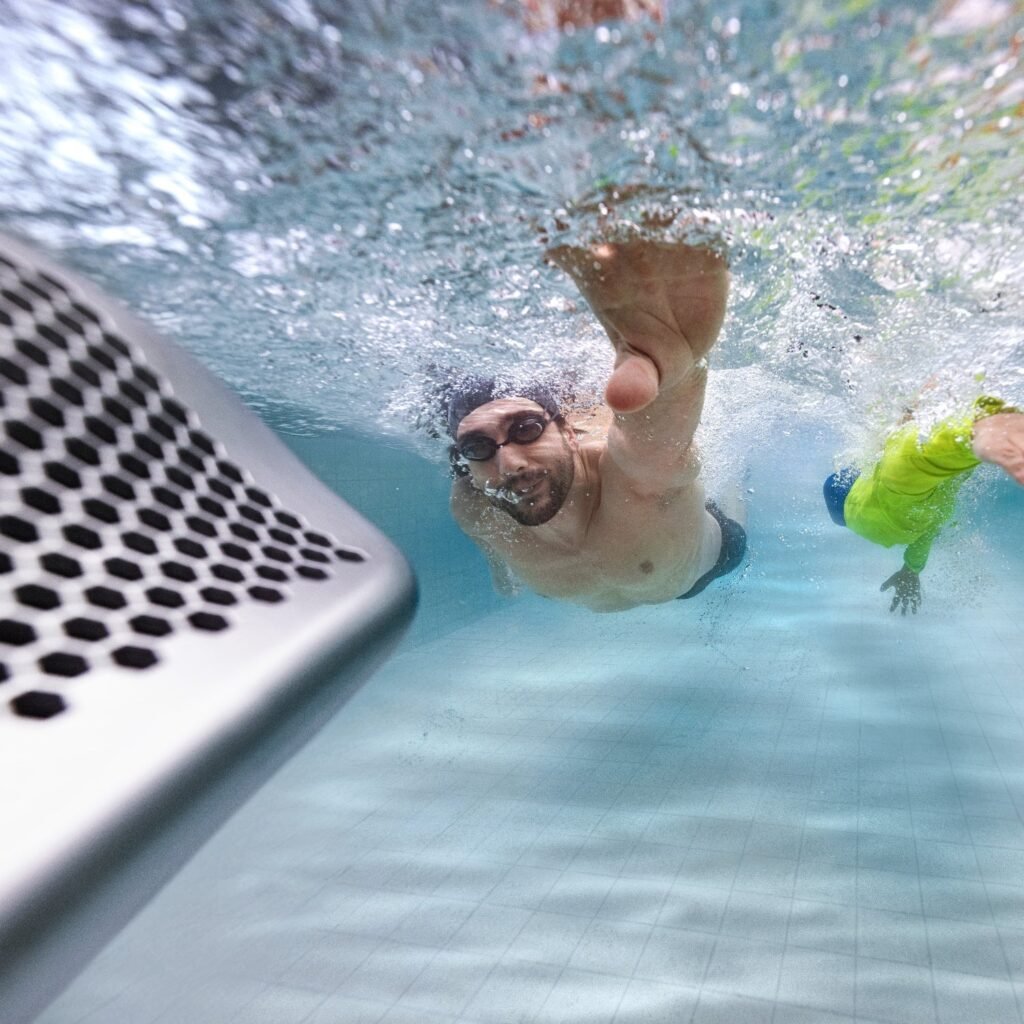
Adjustable resistance stands out as perhaps the most beginner-friendly feature of swim jet systems. A novice can begin with barely perceptible current—just enough to provide gentle feedback on body position—and incrementally increase the flow as their strength and coordination improve. This progression mirrors how confidence actually develops: slowly, through repeated small successes rather than dramatic leaps. Traditional pool lessons rarely offer this kind of personalized pacing, as instructors must balance the needs of multiple students simultaneously.
For leisure swimmers who aren’t training for competition but simply want to enjoy water exercise in a relaxed manner, swim jets provide continuous low-intensity activity without the stop-start rhythm of lap swimming. There’s no need to flip-turn, no wall to crash into, and no counting lengths. The swimmer simply settles into a comfortable rhythm and maintains it for as long as they wish, turning what might feel like a workout into something closer to meditation. Home installation adds another layer of convenience, allowing practice sessions at any hour without the social pressure of a public facility. Compared to traditional methods, swim jets compress the learning timeline by offering unlimited, distraction-free repetition in a space that feels safe and private.
Safety Features: Ensuring a Secure Swim Jet Experience
Safety ranks as the primary concern for beginner swimmers, and modern swim jet systems address this through multiple layers of protection designed specifically with novices in mind. Most quality systems include an emergency stop button positioned within easy reach of the swimmer, allowing instant shutdown of the current if anyone feels overwhelmed or loses their balance. This single feature alone provides enormous psychological reassurance—knowing you can halt everything in a second makes the entire experience feel manageable rather than threatening.
The gentle current options available on swim jet systems serve as a foundational safety mechanism for new swimmers. At their lowest settings, these jets produce a flow so mild that it barely moves the body, allowing complete beginners to acclimate to the sensation of moving water without any risk of being pushed or pulled unexpectedly. Many systems also feature wide, laminar flow patterns that distribute force evenly across the body rather than concentrating pressure at a single point, which prevents the jarring sensation that can trigger panic in anxious swimmers.
Beyond the water itself, physical safety considerations include non-slip surfaces around jet installation areas, rounded edges on all hardware, and recessed nozzles that eliminate protrusion hazards. User-friendly digital controls with clear labeling ensure that even someone unfamiliar with the technology won’t accidentally activate a high-power setting. For homeowners who already manage their outdoor spaces through smart home platforms like iGarden, integrating swim jet controls into an existing system can simplify monitoring and scheduling of maintenance checks. Inspecting nozzle covers for wear, testing emergency shutoffs monthly, and ensuring drainage systems function properly keeps the equipment reliable over time. These combined features create an environment where beginners can focus entirely on learning rather than worrying about what might go wrong.
Choosing the Right Beginner Swim Equipment: A Guide to Swim Jets
Selecting the right swim jet system requires careful consideration of several practical factors that directly affect your learning experience. Pool size matters first—smaller residential pools benefit most from compact, single-nozzle units that produce a focused current without excessive turbulence, while larger installations can accommodate multi-jet configurations that create a wider swimming lane. Jet power levels should offer a range starting well below what feels challenging, since beginners need room to grow into the equipment rather than struggling against it from day one. Installation requirements vary considerably between retrofit models that attach to existing pool walls with minimal construction and integrated systems that demand professional plumbing work during pool building or renovation.
Budget naturally influences the decision, but it helps to weigh swim jets against the cumulative cost of ongoing swimming lessons or gym memberships. Within the broader landscape of beginner swim equipment, swim jets occupy a unique position. Kickboards and resistance bands serve as useful supplementary tools for isolated skill work, but they cannot replicate the full-body, continuous swimming experience that jets provide. Pull buoys help with upper body technique, yet they still require a full-length pool to use effectively. Swim jet systems designed for leisure use combine the benefits of all these accessories into a single solution, offering stationary stroke practice with adjustable difficulty in a space that novice swimmers already feel comfortable navigating.
Practical Steps for Beginners to Use Swim Jets Effectively
Getting started with a swim jet system works best when you approach it methodically rather than jumping straight into stroke practice. Begin by spending your first session simply standing or floating near the jets while they run at the lowest setting, familiarizing yourself with the controls and understanding how the current feels against your body. Once comfortable, position yourself in a streamlined float and let the gentle flow support you, paying attention to how your body naturally aligns in the water. This initial familiarization phase builds the trust necessary for productive practice.
From there, start with basic flutter kicks while holding the pool edge or a mounted grab bar, keeping the current low enough that maintaining position feels effortless. As your kick strengthens over several sessions, introduce arm movements one at a time—single-arm freestyle pulls, then full stroke coordination. Increase the jet intensity only when you can hold steady body position at the current level for at least five minutes without fatigue or form breakdown. A practical weekly routine might involve three fifteen-minute sessions, each beginning with two minutes of gentle floating to warm up before transitioning into focused stroke work. Common challenges include drifting sideways or sinking hips; correct these by engaging your core and keeping your gaze directed slightly downward. Combining swim jet practice with breathing exercises away from the water helps manage anxiety, while occasionally using a kickboard during jet sessions isolates leg technique for faster improvement.
Building Confidence in the Water with Swim Jets
Swim jets represent one of the most thoughtful innovations available to beginner swimmers who struggle with the traditional learn-to-swim pathway. They deliver a controlled, private environment where adjustable resistance meets individual skill levels, safety features provide genuine peace of mind, and the convenience of home use removes the social barriers that keep many novices from ever entering the water consistently. The ability to practice endlessly without navigating crowded lanes, managing flip-turns, or confronting intimidating depths makes these systems remarkably well-suited to leisure swimmers prioritizing relaxation and gradual confidence-building.
To revisit the central question: swim jets are not a magic solution that replaces all other forms of instruction, but they are an exceptionally effective tool within a balanced learning approach. Combining jet-based practice with occasional guided lessons, open-water exposure when ready, and complementary equipment like kickboards creates a comprehensive development path. For beginners seeking safety, comfort, and steady progression without pressure, swim jets offer something no traditional pool environment can match—a personal, endlessly patient training partner that adapts entirely to your pace. Explore them with proper guidance, start gently, and let the water become a place of enjoyment rather than anxiety.


